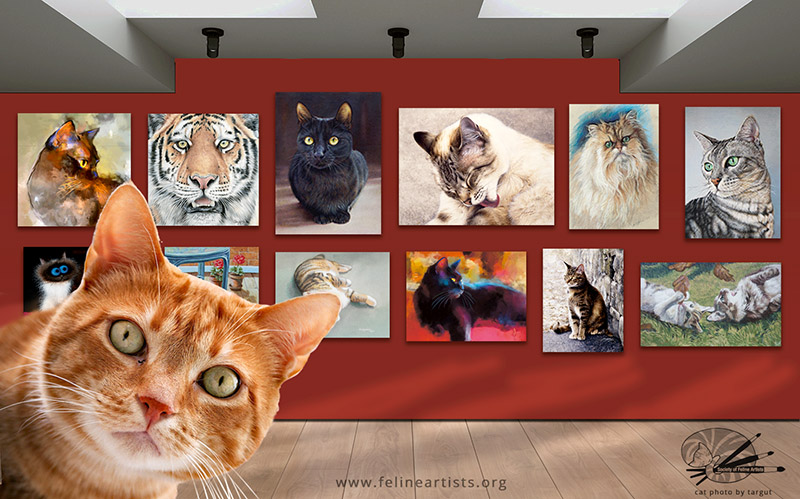
The Society of Feline Artists (S.O.F.A) was founded in September 1994. The specific aims are to promote the work of the best cat artists, whether established or unknown.
The society has had an annual exhibition of cat paintings in London for several years, featuring over 60 artists, some of whom exhibit internationally and showing more than 200 paintings in a range of media, making it the largest exhibition of cat art in the country.
Subjects range from the humble moggy and the friendly domestic tabby to the more exotic breeds like Siamese, Burmese and Bengals and of course the big cats. From the nobility and drama of the wild cat to the playful kitten – all are painted with the mastery of artists who know and understand their subject.
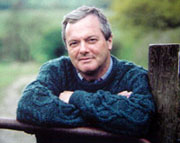 Our Patron
An interview with our patron David Grant.
The society’s patron David Grant talks about his work and his travels to China to teach courses in small animal dermatology.


 Society Of Feline Artists
